Rolex Price Guide for Popular Models
Rolex prices vary widely by model, size, material, configuration, and whether the watch is new or pre-owned. In the current U.S. collection, popular models range from around $6,750 for an Oyster Perpetual 36 to well above $80,000 for a platinum Cosmograph Daytona.
Understanding Rolex Prices
A Rolex price guide is useful because the name of a model alone does not determine how much the watch costs. The same collection can contain watches with significantly different prices depending on case size, metal, bracelet, bezel, dial, complications, and gemstone setting.
For example, a steel Submariner is priced very differently from a yellow gold Submariner Date. The difference is not simply cosmetic. Precious metals, manufacturing requirements, movement specifications, and the overall configuration can substantially affect the retail price.
It is also important to separate the official retail price from the price of a pre-owned Rolex. A watch may have an official retail price from Rolex while its actual market price can be higher or lower depending on availability, condition, production status, demand, completeness, and market conditions.
This makes a Rolex price guide more useful when it explains not only the numbers but also why those numbers change.
Rolex Price Ranges for Popular Models
The current U.S. Rolex collection shows how broad the price range can be. The Oyster Perpetual 36 starts around $6,750, while a steel Datejust 41 is listed around $8,950. A steel Submariner starts around $10,050, while the Submariner Date in Oystersteel is listed around $11,350 on the current U.S. collection.
The GMT-Master II in Oystersteel currently starts around $11,800 in the U.S. collection, although specific configurations can reach higher prices. The Datejust 41 with Oystersteel and white gold is around $11,650, demonstrating how material and configuration influence the final price.
At the higher end, precious metal watches create a much wider price range. A yellow gold Day-Date 40 is currently listed around $50,400, while an Everose gold Day-Date 40 is around $54,200. A platinum Cosmograph Daytona reaches approximately $84,600 in the current U.S. collection.
These figures should be treated as current reference prices rather than permanent values. Rolex retail pricing can change, and specific configurations can have different prices.
Rolex Oyster Perpetual Price
The Oyster Perpetual is one of the clearest examples of a Rolex designed around simplicity and everyday wear. It provides the core characteristics associated with the brand without adding the date display or more specialized complications found in other collections.
The Oyster Perpetual 36 is currently listed at approximately $6,750 in the U.S. collection. The Oyster Perpetual 41 in Oystersteel and yellow gold is listed around $9,650, showing how material changes can significantly influence pricing.
For someone researching an entry level Rolex price, the Oyster Perpetual is therefore an important starting point. However, the lowest retail price does not automatically mean it is the best choice for every buyer. Wrist size, preferred design, availability, and long term ownership goals should also be considered.
Rolex Datejust Price
The Datejust is one of the most recognizable Rolex collections and offers an unusually broad selection of sizes, metals, bezels, bracelets, and dial designs.
A current U.S. steel Datejust 41 is listed around $8,950. A Datejust 41 using Oystersteel and white gold is listed around $11,650, while certain configurations involving precious metals and diamonds can move substantially higher.
This makes the Datejust particularly important when comparing Rolex prices because there is no single Datejust price. A simple steel configuration can occupy a very different price category from a gold or diamond set configuration.
Buyers should therefore identify the exact Datejust size, metal, bezel, bracelet, and dial before comparing prices.
Rolex Submariner Price
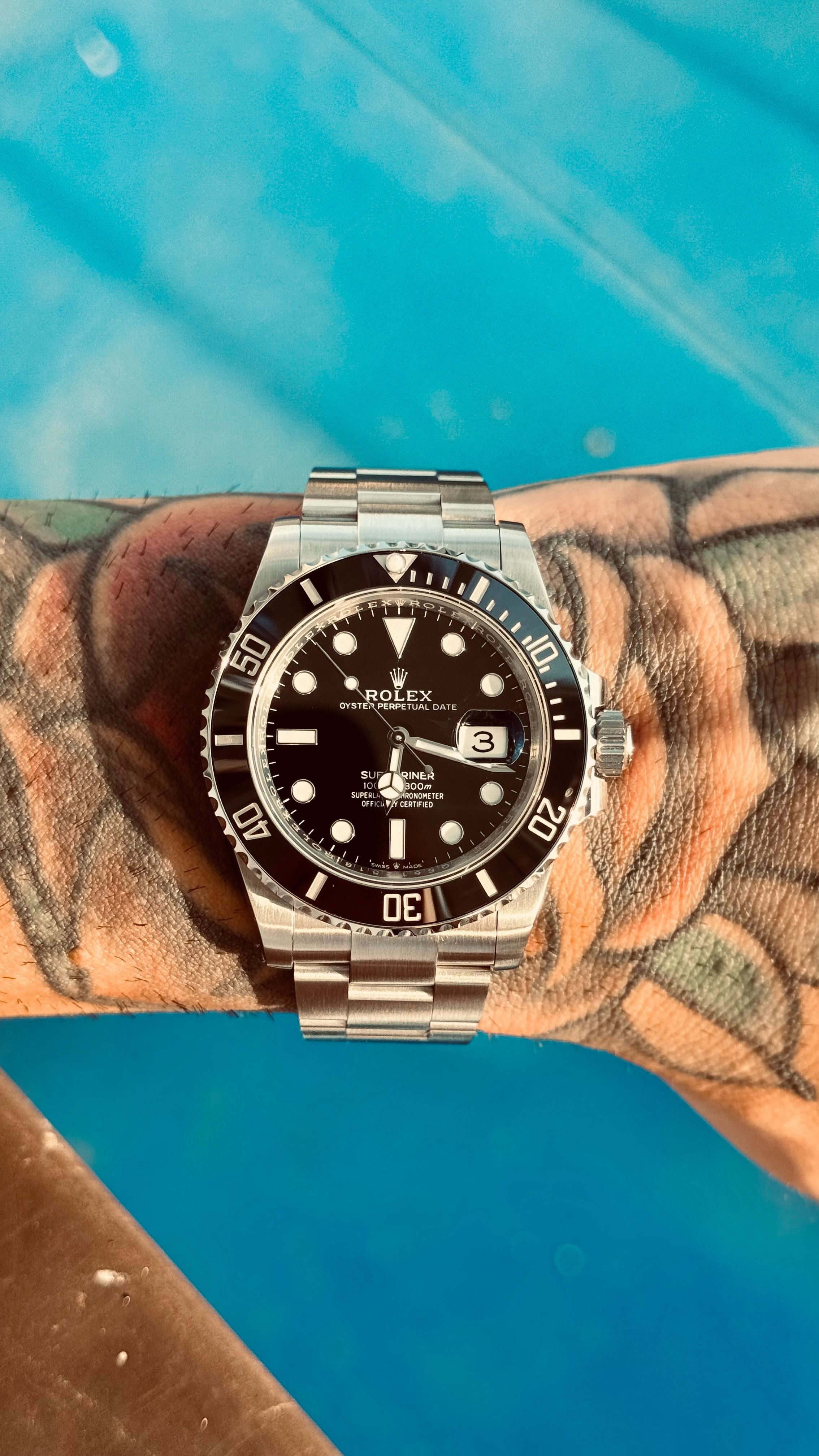
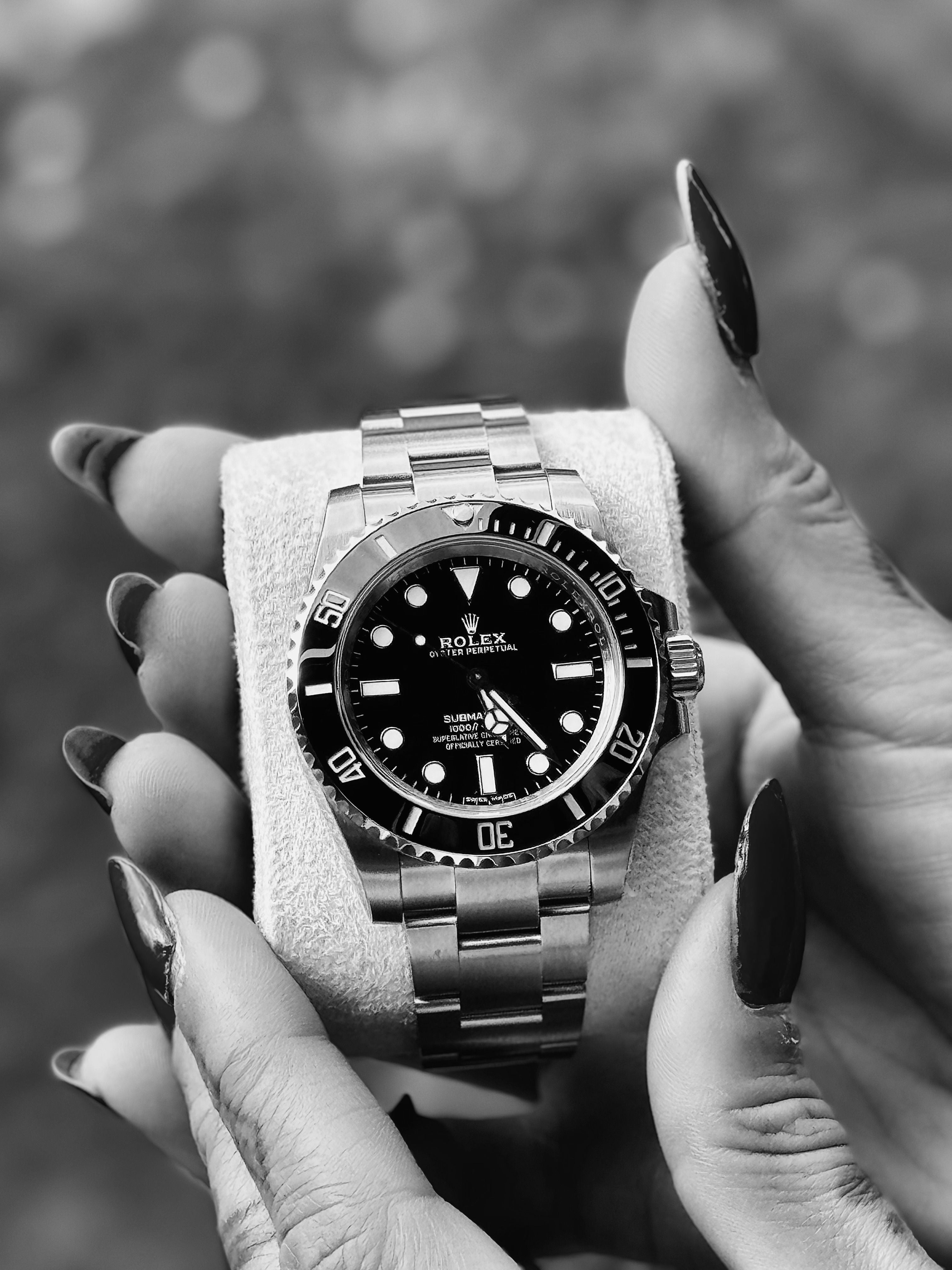
The Submariner is one of the most recognizable professional Rolex watches and remains one of the most searched models for buyers interested in sports watches.
The current U.S. retail price for an Oystersteel Submariner without a date is approximately $10,050. The Oystersteel Submariner Date is listed around $11,350, while certain steel and gold versions are around $19,450. Yellow gold Submariner Date configurations can reach approximately $50,900.
The difference between these versions illustrates an important pricing principle. Two watches can share the same collection name while having completely different prices because of their materials and functions.
When comparing a Submariner price, check whether the watch is a Submariner or Submariner Date and whether it uses Oystersteel, two tone construction, or solid gold.
Rolex GMT-Master II Price
The GMT-Master II is designed around the ability to track an additional time zone, making it especially relevant to frequent travelers and collectors who appreciate its distinctive 24 hour bezel.
Current U.S. prices for Oystersteel GMT-Master II models begin around $11,800, with other Oystersteel configurations listed around $12,000 to $12,500. Two tone versions can be around $20,000 or more, while precious metal versions can exceed $50,000.
The exact configuration matters considerably. Bracelet type, bezel configuration, and metal can all affect the final retail price.
For example, a GMT-Master II in Oystersteel with a black dial and blue and black Cerachrom bezel is currently listed at $11,800 in the U.S. collection.
Rolex Cosmograph Daytona Price
The Cosmograph Daytona occupies a different category because it is a high performance chronograph with a strong connection to motorsport and precision timing.
Its price can vary dramatically depending on the material. Current U.S. listings show a steel and yellow gold Cosmograph Daytona around $24,550, while an Everose gold version is around $59,100. A platinum Daytona reaches approximately $84,600.
This is why searching only for the phrase Rolex Daytona price can produce confusing results. The model name covers numerous configurations, and the difference between steel, gold, and platinum is substantial.
For an accurate comparison, always identify the exact material and configuration before deciding whether a particular Daytona represents good value.
Rolex Day-Date Price
The Day-Date is positioned among Rolex's most prestigious classic watches and is strongly associated with precious metal construction.
A current Day-Date 40 in yellow gold is listed around $50,400, while an Everose gold Day-Date 40 is around $54,200. Platinum versions can be considerably more expensive, with the current Day-Date 40 platinum listing around $68,800.
The Day-Date therefore demonstrates why Rolex pricing cannot be judged simply by case size or collection name. Precious metal construction is a major part of the price equation.
What Determines the Price of a Rolex?
The first major factor is the material used for the case and bracelet. Oystersteel generally occupies a lower price position than solid gold or platinum. Two tone construction sits between many steel and full precious metal configurations.
The second factor is the movement and function. A simple time only watch generally has a different price structure from a chronograph or a watch designed to display an additional time zone.
The third factor is the configuration. Dial design, bezel style, bracelet, case size, and gemstone setting can all change the retail price.
The fourth factor is condition when discussing pre-owned Rolex watches. A watch with minimal wear, complete documentation, original components, and strong service history can command a different price from a heavily worn example with missing accessories.
Finally, market demand influences the price of pre-owned watches. Retail price and market price are related but they are not the same thing.
Retail Price vs Pre-Owned Rolex Price
One of the most important concepts for Rolex buyers is the difference between retail and pre-owned pricing.
Retail price refers to the official price assigned to a specific new configuration. Pre-owned price refers to what a previously owned watch is offered for or what buyers are willing to pay in the secondary market.
A pre-owned Rolex can sometimes be priced below its original retail level. In other cases, a highly desirable configuration can trade at a premium. Market conditions, availability, condition, age, production status, and buyer demand all contribute to this difference.
This means a buyer should never assume that the most expensive watch is automatically the best investment. Price, collectibility, personal preference, and long term demand are separate considerations.
Why Rolex Prices Change
Rolex prices are not fixed forever. Retail prices can change over time, and the market for pre-owned watches can move independently.
Currency conditions, manufacturing costs, economic conditions, demand, and changes to the collection can all affect pricing. New model introductions can also change how buyers view older configurations.
Rolex's 2026 collection includes new models across several families, including Datejust, Day-Date, Oyster Perpetual, and Yacht-Master II, which demonstrates why current pricing should always be checked against the latest configuration rather than an older price guide.
For this reason, a good Rolex price guide should be used as a framework for understanding value rather than as a permanent price sheet.
Common Mistakes When Comparing Rolex Prices
One common mistake is comparing different configurations as though they were identical. A steel Submariner and a gold Submariner Date should not be compared simply because both belong to the Submariner family.
Another mistake is relying on an old price without checking the current configuration. Rolex collections change, and pricing can be updated.
Buyers also sometimes compare an official retail price with a pre-owned asking price without considering condition or completeness. This can make a watch appear unusually expensive or unusually cheap when the difference may have a reasonable explanation.
Another mistake is focusing only on price. A watch should also be evaluated according to its size, function, material, condition, ownership history, and suitability for the buyer.
Common Rolex Price Myths and the Real Facts
One common myth is that every Rolex automatically increases in value. The reality is more complicated. Rolex watches can retain strong value, but performance varies significantly by model, configuration, condition, timing, and market demand.
Another myth is that the most expensive Rolex is automatically the most desirable. Price does not equal universal desirability. A buyer may prefer a steel sports model because it is practical, versatile, and easier to wear every day.
There is also a misconception that retail price tells you exactly what a pre-owned Rolex should cost. Retail and secondary market pricing are separate concepts. A pre-owned watch's condition, completeness, age, configuration, and demand can create a substantial difference.
How to Choose the Right Rolex Price Range
The best approach is to start with the purpose of the watch rather than the price alone. Someone looking for an everyday Rolex may prioritize durability, comfort, and versatility. Someone interested in travel may prefer a GMT-Master II. A buyer interested in diving may naturally focus on the Submariner.
After identifying the purpose, compare materials and configurations within the chosen collection. This creates a more realistic price range and prevents unnecessary spending on features that may not matter to you.
It is also wise to distinguish between buying for personal enjoyment and buying primarily with resale value in mind. These goals can overlap, but they are not identical.
Summary of the Rolex Price Guide
Current U.S. Rolex prices show a broad spectrum. The Oyster Perpetual 36 is around $6,750, the Datejust 41 in Oystersteel is around $8,950, the Submariner starts around $10,050, and the GMT-Master II begins around $11,800 for selected Oystersteel configurations. Higher priced precious metal models can reach tens of thousands of dollars, with the platinum Cosmograph Daytona reaching approximately $84,600.
The most important lesson is that there is no single Rolex price. The exact reference and configuration determine the retail price, while condition and market demand become especially important when evaluating pre-owned watches.
Key Takeaways
A Rolex price should always be evaluated using the exact model, reference, material, size, bracelet, bezel, and dial configuration. Looking only at the collection name can lead to inaccurate comparisons.
Retail prices and pre-owned prices should also be treated separately. The official retail price provides an important baseline, but the secondary market can move differently based on supply, demand, condition, completeness, and configuration.
Most importantly, price should support the buying decision rather than control it. The best Rolex is one that matches the buyer's wrist, lifestyle, preferences, and budget while also offering the characteristics they genuinely value.
Frequently Asked Questions About Rolex Prices
What is the cheapest Rolex?
Among the current U.S. Rolex men's collection, the Oyster Perpetual 36 is listed around $6,750, making it one of the lower priced ways to enter the current Rolex collection. Exact pricing can vary by size and configuration.
How much does a Rolex Submariner cost?
Current U.S. retail pricing starts around $10,050 for an Oystersteel Submariner without a date. An Oystersteel Submariner Date is listed around $11,350, while gold and two tone configurations cost substantially more.
How much does a Rolex GMT-Master II cost?
Selected Oystersteel GMT-Master II models currently start around $11,800 in the U.S. collection. Two tone and precious metal configurations can cost significantly more, with some gold versions exceeding $50,000.
How much does a Rolex Daytona cost?
The price depends heavily on the material and configuration. Current U.S. listings include a steel and yellow gold Daytona around $24,550, an Everose gold model around $59,100, and a platinum model around $84,600.
Why are some Rolex watches more expensive than others?
Rolex prices vary because of differences in materials, movements, complications, case sizes, bracelets, bezels, dials, and gemstone settings. Precious metals and more complex configurations generally produce significantly higher retail prices.
Does a Rolex always hold its value?
No. Rolex watches can retain substantial value, but value retention depends on the specific model, configuration, condition, age, market demand, and timing. Retaining value should never be treated as guaranteed.
Should I buy a Rolex at retail or pre-owned?
The better choice depends on availability, budget, preferred configuration, condition, and purchasing goals. Retail pricing provides a useful benchmark, while a pre-owned watch may provide access to a particular configuration or production period that is otherwise difficult to obtain.
Conclusion
Understanding Rolex pricing requires more than looking at a single number. The current collection ranges from relatively accessible steel models to high value gold and platinum watches, with major differences created by materials, functions, configurations, and specifications.
A smart buyer compares the exact reference rather than relying on the model name alone. It is equally important to understand the difference between official retail pricing and the pre-owned market, especially when evaluating condition, completeness, and long term value.
Whether you are researching your first Rolex or comparing a professional sports model with a precious metal classic, knowing how Rolex prices are structured gives you a stronger foundation for making a confident decision. Take time to identify the exact configuration you want, establish a realistic budget, and compare the complete watch rather than the price alone.