How Rolex Became the World’s Most Recognized Luxury Watch Brand
Rolex became the world’s most recognized luxury watch brand through a combination of technical innovation, consistent design, strict quality standards, strategic marketing, and decades of cultural visibility. Rather than relying on one breakthrough, Rolex built its reputation gradually by creating watches associated with reliability, achievement, precision, and lasting value.
What Made Rolex So Recognized?
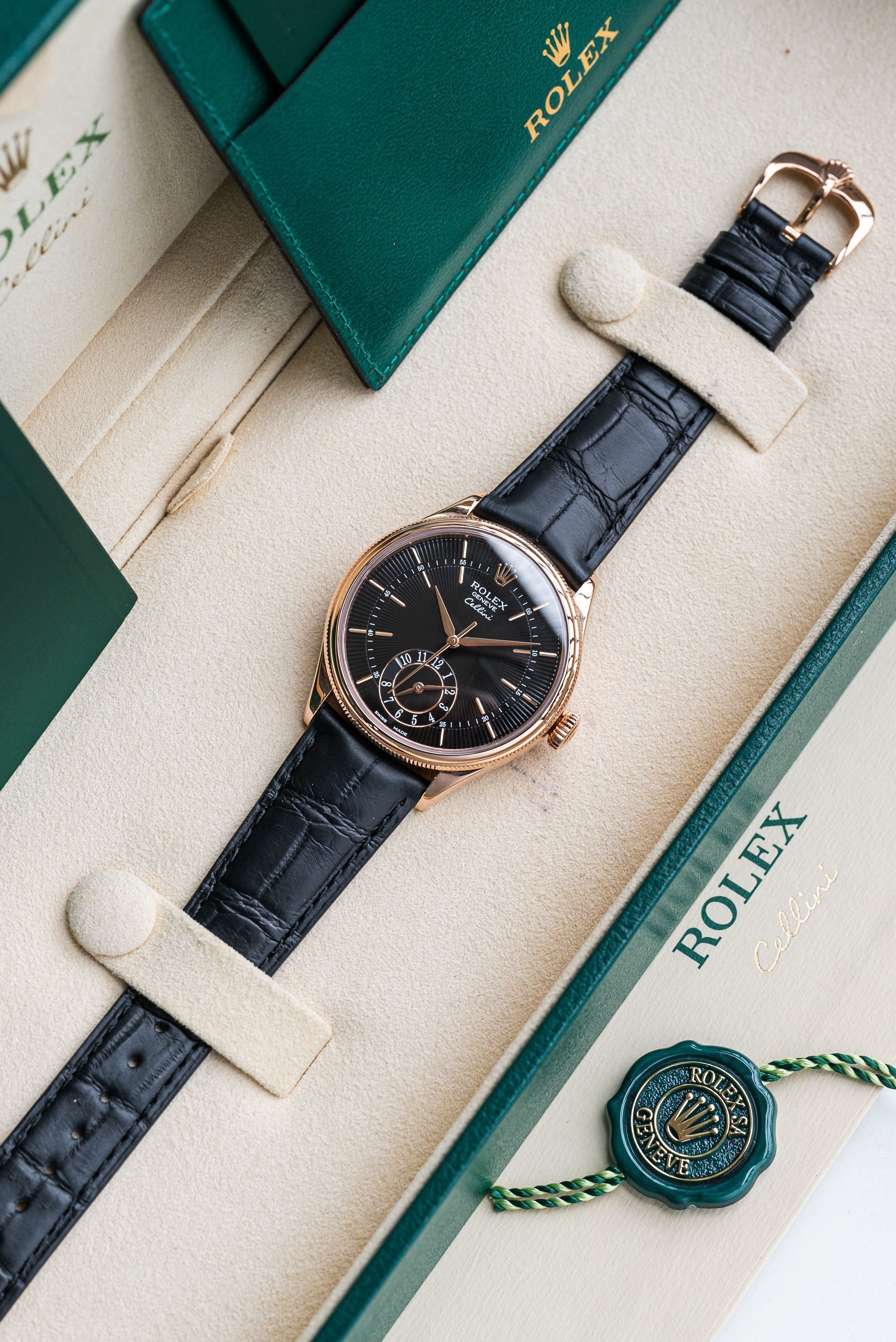
Rolex is widely recognized as one of the most influential names in luxury watches. Its distinctive crown logo, familiar case designs, mechanical movements, and strong association with achievement have made the name recognizable far beyond the traditional watch industry.
The remarkable part of Rolex’s success is that its reputation was not created overnight. The brand developed its identity over many decades by combining watchmaking with careful product development, consistent branding, and a clear understanding of what customers wanted from a high-end timepiece.
A luxury watch can be technically impressive without becoming globally famous. Rolex achieved both technical credibility and broad cultural recognition. That combination helped transform the brand from a watchmaker into a symbol of success, craftsmanship, and prestige.
The Early History of Rolex
Rolex was founded in the early twentieth century during a period when wristwatches were becoming increasingly practical. At the time, accuracy and reliability were major challenges for mechanical watches, particularly when they were exposed to moisture, dust, movement, and everyday wear.
The company focused heavily on improving the reliability and precision of wristwatches. This was an important foundation because Rolex did not build its reputation solely around appearance. Its early identity was connected to the idea that a luxury watch should also be dependable enough for demanding conditions.
This approach gave the brand a practical purpose. Instead of presenting a watch simply as an expensive accessory, Rolex helped establish the idea that a fine mechanical watch could represent engineering, durability, and personal achievement.
Rolex and the Rise of the Wristwatch
One of the most important developments in Rolex history was the growing acceptance of the wristwatch as a serious timekeeping instrument.
As wristwatches became more common, manufacturers needed to solve problems involving accuracy, water resistance, durability, and movement reliability. Rolex invested heavily in these areas and used technical improvements as part of its broader identity.
The brand's early achievements in precision helped create credibility. This mattered because luxury buyers often want more than attractive design. They want a reason to believe that the product deserves its reputation.
Rolex gradually developed that reason through engineering and testing. Over time, technical performance became an important part of the story surrounding the brand.
The Importance of Waterproof Watch Design
Water resistance became one of the defining elements of Rolex's history.
The development of the Oyster case was especially important because it addressed a major weakness of mechanical wristwatches. A watch exposed to water and dust could suffer serious damage, making protection of the movement essential.
The Oyster case helped create a more secure environment for the movement by using a sealed case construction. This development became one of the foundations of Rolex's reputation for durability.
More importantly, the technical innovation became easy for customers to understand. A complicated engineering achievement could be communicated through a simple idea: a mechanical watch designed to better withstand everyday environmental conditions.
That ability to connect technical engineering with a clear consumer benefit became a recurring strength of Rolex.
Why Rolex Design Became So Easy to Recognize
Recognition is not created by a logo alone. It comes from repeated visual patterns that remain consistent over time.
Rolex developed watch designs that could be identified through their proportions, bezels, bracelets, dials, case shapes, and overall visual language. While individual models evolved, the brand maintained enough continuity that older and newer Rolex watches could still feel connected.
This consistency created a powerful effect. Customers did not need to read the name on the dial to understand what kind of watch they were looking at.
In luxury branding, this is extremely valuable. A recognizable product can communicate status before the owner says anything about it.
Rolex therefore benefited from a balance between evolution and familiarity. The watches could receive technical and aesthetic improvements while retaining characteristics that customers associated with the brand.
How Rolex Built a Reputation for Precision
Precision played a major role in the development of Rolex's reputation.
Mechanical watches are complex machines containing many small components that must work together accurately. The performance of the finished watch depends on the quality of its movement, manufacturing tolerances, adjustment, testing, and long-term maintenance.
Rolex made precision part of its identity rather than treating it as an invisible technical detail.
This helped create a perception that owning a Rolex meant owning a carefully engineered mechanical instrument. The emotional appeal of the watch was supported by a tangible product characteristic.
That relationship between engineering and emotion is one of the most important reasons the brand became so powerful.
Rolex and the Meaning of Achievement
Another major reason Rolex became globally recognized is its connection with achievement.
Over decades, Rolex watches became associated with people involved in exploration, professional activities, competition, leadership, and other demanding environments. These associations helped communicate a broader message: the watch could represent a milestone.
This is particularly effective in luxury marketing because consumers often buy luxury products for symbolic reasons as well as functional ones.
A watch tells time, but a luxury watch can also represent a promotion, a business achievement, a personal milestone, a major birthday, or a long-term goal.
Rolex successfully connected its products with these moments.
The result was an emotional association that extended beyond watch specifications. The product became part of a personal story.
Why Consistency Matters in Luxury Branding
Many luxury brands change their identity significantly over time. Rolex has generally taken a more controlled approach.
Its core visual identity has remained remarkably stable. Customers can recognize familiar design elements across different generations, which strengthens trust and reinforces brand memory.
Consistency also creates a sense of permanence.
When a customer purchases a luxury watch, they are often thinking beyond the current year. They may expect to wear the watch for decades and eventually pass it to another person.
A brand that communicates permanence through its products can make that long-term ownership feel more natural.
Rolex's restrained approach to design therefore became an advantage rather than a limitation.
How Rolex Created a Strong Luxury Watch Identity
A luxury watch brand needs more than expensive materials. It needs a clear reason for customers to believe that the product is special.
Rolex developed this identity through several connected ideas: precision, durability, recognizable design, craftsmanship, exclusivity, heritage, and achievement.
These concepts reinforce one another.
Durability supports the idea of long-term ownership. Precision supports technical credibility. Consistent design supports recognition. Heritage supports trust. Limited availability can increase desirability. Association with achievement adds emotional value.
When these elements work together, the watch becomes more than a timekeeping device.
It becomes a representation of personal identity and accomplishment.
The Role of Rolex in Popular Culture
Rolex's recognition expanded significantly because its watches became visible in popular culture.
When people repeatedly see a recognizable watch associated with successful, influential, adventurous, or accomplished individuals, the product begins to develop meaning beyond its physical characteristics.
This effect can be especially powerful for luxury products because consumers often learn what an object represents through social context.
The watch becomes recognizable not simply because people have seen advertisements, but because they have encountered its visual identity in many different cultural settings.
Over time, this creates familiarity.
Familiarity is one of the foundations of strong brand recognition. When a product appears consistently across generations, people begin to recognize it even if they are not passionate about the category.
Why Rolex Watches Are Often Associated With Status
Luxury products communicate information about their owners.
A Rolex can communicate appreciation for mechanical craftsmanship, financial success, personal achievement, or interest in traditional watchmaking. The exact meaning depends on the individual wearing it.
The important point is that the brand has developed a strong symbolic language.
The crown logo and familiar watch designs can carry meaning without requiring a detailed explanation. This is one of the strongest signs that a luxury brand has achieved cultural recognition.
The watch itself becomes a form of communication.
Rolex and Long-Term Value
Another factor that contributes to Rolex's reputation is the perception that many models can retain meaningful value over time.
The resale performance of a specific Rolex depends on factors such as model, condition, demand, production history, originality, completeness, market conditions, and purchase price. Not every Rolex automatically increases in value.
This distinction is important.
The strength of Rolex's secondary-market reputation is partly connected to sustained demand. When many buyers want particular models, well-maintained examples can remain desirable even after years of ownership.
This creates an additional psychological benefit for buyers. A watch can feel less like a purely consumable luxury purchase and more like an asset with continuing market relevance.
However, buyers should never assume that every luxury watch will appreciate. Long-term value is influenced by supply, demand, condition, authenticity, market cycles, and the specific reference.
Why Rolex Became a Symbol of Permanence
One of Rolex's strongest qualities is its ability to make a watch feel timeless.
Fashion changes quickly. Luxury watches often need to survive much longer.
Rolex's restrained design philosophy allowed many of its watches to remain visually relevant across generations. A watch purchased decades ago can still look appropriate today because the fundamental design language has not depended heavily on short-lived trends.
This creates an important emotional advantage.
People often want a luxury watch that they can imagine wearing for ten, twenty, or thirty years. They may also want to pass it to a child or another family member.
Rolex became particularly effective at creating that sense of continuity.
What Makes the Rolex Business Strategy Effective?
The effectiveness of Rolex comes from the interaction between product quality and brand perception.
If the watches had a strong reputation but poor construction, the brand would eventually lose credibility. If the watches were technically excellent but had no recognizable identity, they would struggle to achieve the same cultural influence.
Rolex developed both sides simultaneously.
The product supports the reputation, while the reputation increases interest in the product.
This creates a reinforcing cycle. Greater recognition encourages demand. Strong demand reinforces desirability. Desirability supports the luxury positioning. Luxury positioning increases symbolic value. The resulting reputation makes the next generation of watches easier to recognize.
Common Mistakes When Understanding Rolex's Success
One common mistake is assuming Rolex became famous simply because its watches are expensive.
Price alone does not create lasting recognition. Thousands of luxury products can carry high prices without achieving the same level of global familiarity.
Another mistake is focusing only on individual technical innovations. Engineering was important, but Rolex's success came from combining technical development with design consistency, storytelling, reputation, and cultural relevance.
It is also a mistake to assume that Rolex became successful because every watch was designed for investment. The primary purpose of a mechanical watch is still to provide timekeeping and enjoyment. The investment potential of particular models is a separate consideration.
Finally, it is misleading to think that brand recognition appeared suddenly. Rolex's reputation was built gradually through decades of consistent execution.
Common Myths About Rolex and the Real Facts
One common myth is that every Rolex automatically becomes more valuable with age. The reality is more complicated. Certain references can perform strongly in the secondary market, but condition, demand, originality, rarity, market timing, and purchase price all matter.
Another myth is that Rolex became successful entirely through marketing. Marketing certainly helped communicate the brand's identity, but the reputation was supported by product development, manufacturing standards, recognizable designs, and long-term consistency.
There is also a misconception that Rolex watches remain unchanged. In reality, the brand has continuously developed its technology, materials, movements, manufacturing methods, and product details while preserving recognizable design characteristics.
The deeper lesson is that Rolex managed to modernize without abandoning its identity.
Why Rolex Still Matters in the Luxury Watch Market
Rolex remains important because it demonstrates how a luxury product can become culturally significant without losing its connection to craftsmanship.
Its history shows that premium positioning is most powerful when the product gives customers multiple reasons to care.
A Rolex can be appreciated as a mechanical object, a design object, a symbol of achievement, a personal milestone, or a long-term possession.
That flexibility gives the brand unusually broad appeal.
Someone may discover Rolex because of watchmaking, become interested because of design, purchase because of a personal achievement, and eventually develop an appreciation for the history behind the watch.
Summary of Rolex's Rise to Global Recognition
Rolex became the world's most recognized luxury watch brand through decades of consistent product development, technical innovation, recognizable design, controlled branding, cultural visibility, and an association with achievement.
Its success was not created by one model or one marketing campaign. Instead, Rolex built a system in which engineering, design, reputation, heritage, and emotional value continuously reinforced one another.
That is what makes the Rolex story particularly important in luxury watch history. The brand did not simply sell expensive watches. It created a recognizable idea of what a prestigious mechanical watch could represent.
Key Takeaways
The most important lesson from Rolex's rise is that recognition comes from consistency. Rolex repeatedly communicated the same fundamental ideas through its products: precision, durability, craftsmanship, recognizable design, and long-term value.
Another important lesson is that technical excellence becomes more powerful when customers can understand its practical meaning. Innovations such as improved water resistance and precision mattered because they solved real problems while strengthening the brand's identity.
Finally, Rolex became powerful because its watches acquired emotional meaning. A Rolex can represent achievement, permanence, personal identity, and a connection between generations. That symbolic value helped turn a mechanical object into one of the world's most recognizable luxury products.
Frequently Asked Questions About Rolex
When did Rolex become famous?
Rolex developed its reputation gradually throughout the twentieth century. Its early focus on precision and reliable wristwatch construction established technical credibility, while later developments in water resistance, design, professional use, and cultural visibility expanded its recognition.
Why is Rolex considered a luxury watch brand?
Rolex is considered a luxury watch brand because it combines high-end mechanical watchmaking, controlled production, distinctive design, strong heritage, rigorous quality standards, and powerful brand recognition. Its watches also carry significant symbolic value in addition to their practical function.
What made Rolex different from other luxury watches?
A major difference is the way Rolex combined technical credibility with an exceptionally consistent visual identity. Its watches became recognizable while the brand continued developing its engineering and manufacturing capabilities.
Why are Rolex watches so recognizable?
Rolex watches use consistent design characteristics across generations, including recognizable case proportions, dials, bezels, bracelets, and branding. Repeated exposure through culture and professional associations has strengthened this visual recognition over time.
Do Rolex watches hold their value?
Some Rolex watches can retain a significant portion of their value, and certain models can perform strongly in the secondary market. However, value retention varies by reference, condition, originality, demand, market conditions, and purchase price. Ownership should not be treated as a guaranteed investment.
Why is Rolex associated with success?
Rolex has spent decades connecting its watches with achievement, demanding environments, personal milestones, and influential cultural figures. These associations helped create the perception that wearing a Rolex can symbolize accomplishment and progress.
What is the biggest reason for Rolex's long-term success?
The biggest reason is consistency combined with adaptation. Rolex preserved a recognizable identity while continuing to improve its movements, materials, manufacturing processes, durability, and overall product quality. This allowed the brand to remain familiar without becoming technologically stagnant.
Conclusion
Rolex became the world's most recognized luxury watch brand because it built something much larger than a collection of expensive timepieces. It developed a reputation based on precision, durability, recognizable design, craftsmanship, achievement, and long-term consistency.
Its history demonstrates that powerful luxury brands are rarely created by marketing alone. They are built when product quality, customer experience, cultural meaning, and brand identity reinforce each other over many years.
For anyone considering a Rolex, understanding this history adds another dimension to the ownership experience. The value of the watch is not only found in its materials or movement. It also comes from the history, engineering, design language, and cultural significance that have been built into the name over generations.
A Rolex is ultimately a product of time in more ways than one. It measures time on the wrist while carrying a history shaped by decades of innovation, craftsmanship, and careful brand building.